Lifestyle,  Stories

Constantin Brâncuși: Following His Art Across Europe

Across Time and Cities

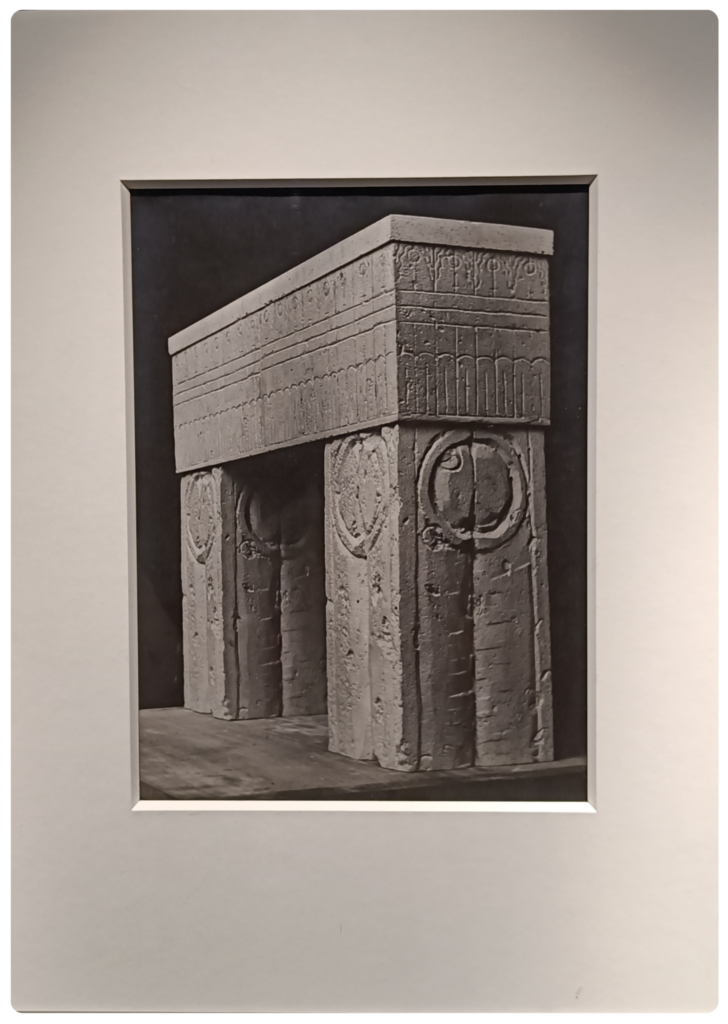
My first encounter with the work of Brâncuși happened in childhood, before I knew his name, his story, or his place in art history. I must have seen Poarta Sărutului somewhere, at an age when impressions settle quietly but deeply. I was around 11 when I tried to recreate it from memory, sketching it in pencil. Something about it stayed with me, with Florentina, the child. That drawing might still exist, tucked away in my parents’ attic.

A Quiet Recognition

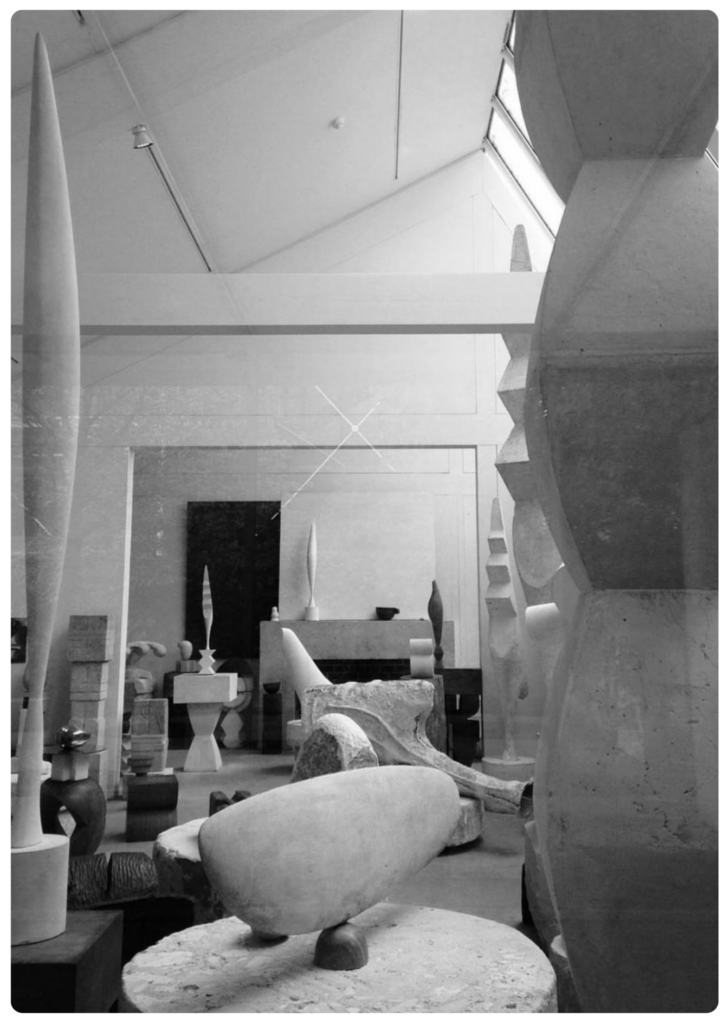
Years later, I unexpectedly encountered Atelier Brancusi in Paris.

Standing there, I felt something difficult to name, curiosity mixed with a strange nostalgia. His works felt familiar, almost intimate. There was a simplicity to them, but also an essence, as if everything unnecessary had been gently stripped away.

I remember hesitating to take photos. It felt almost wrong, as if no image could capture the emotion of being there. Some experiences resist documentation, they ask to be felt. I have exactly one photo from back then.

Born in the small village of Hobița, Romania, he carried with him a deep connection to tradition, craftsmanship, and material. At the age of 27, he set off on foot toward Paris, a journey that took him nearly a year.

In Paris, he briefly worked in the studio of Auguste Rodin, whom he admired deeply. But he left soon after, saying:

“Nothing grows under big trees.”

That decision shaped everything that followed. Brâncuși chose independence over influence and in doing so, became one of the pioneers of modern sculpture.

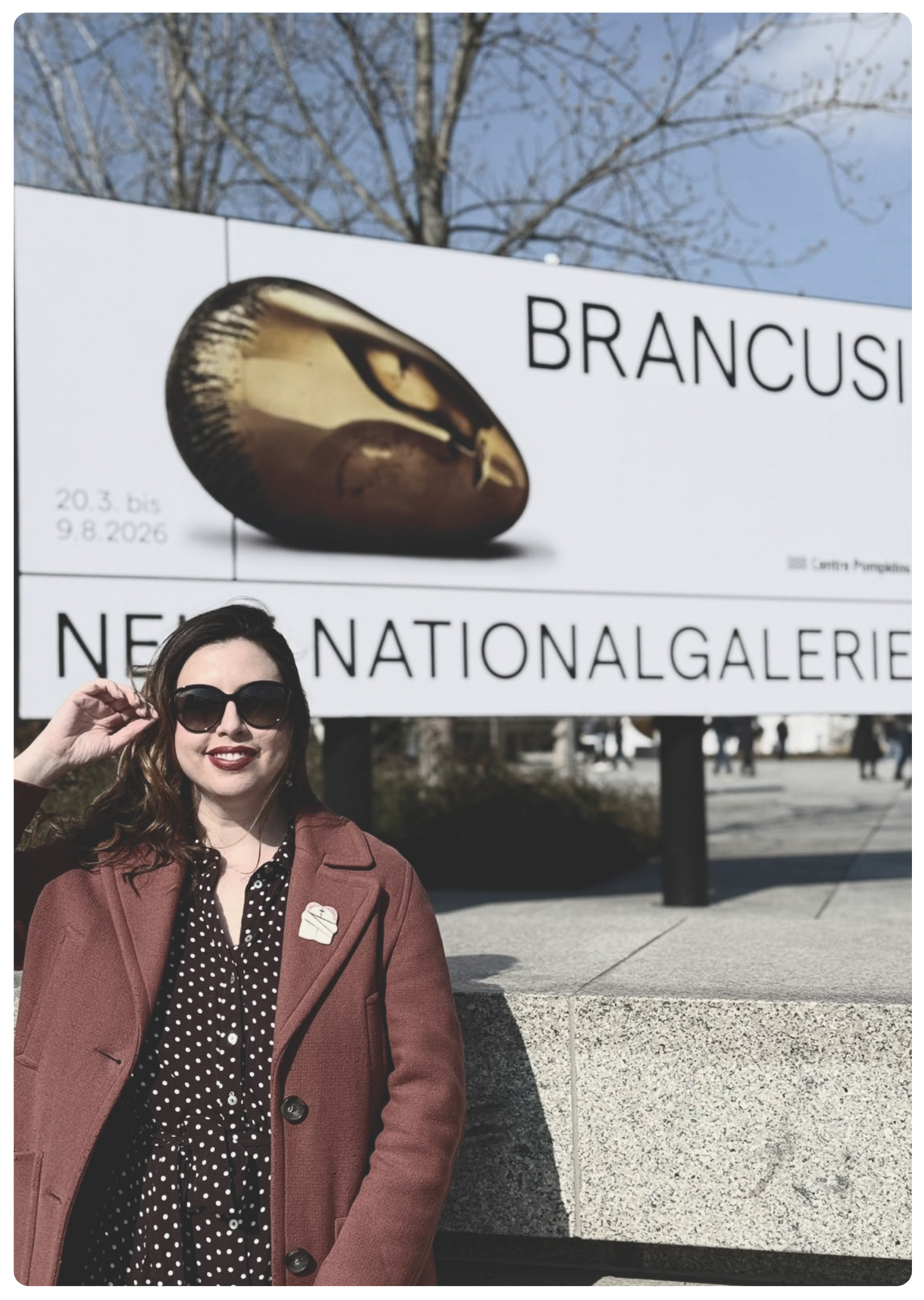
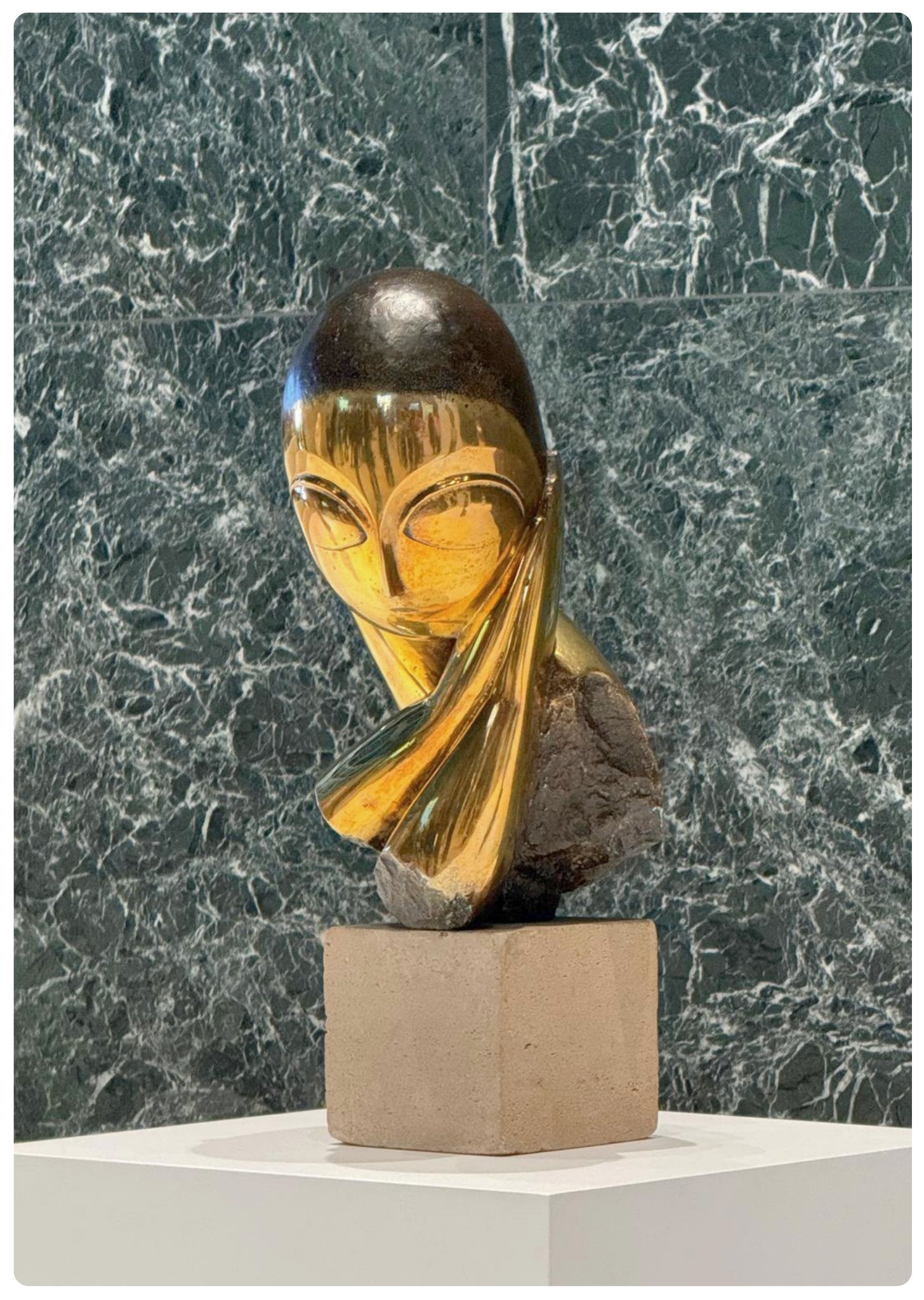
And now, in the present moment, Brâncuși arrived in Berlin, for the first time in over 50 years.

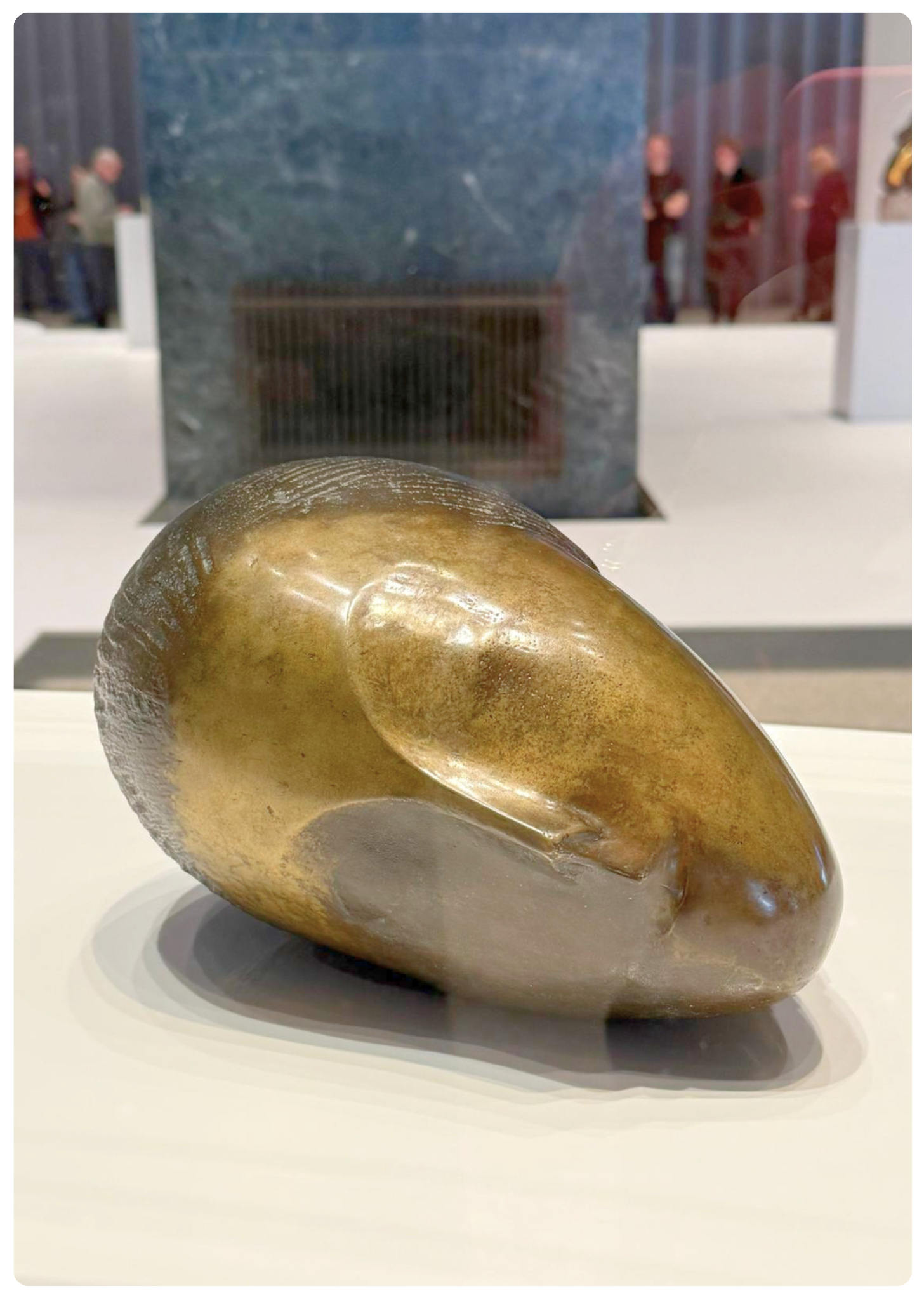
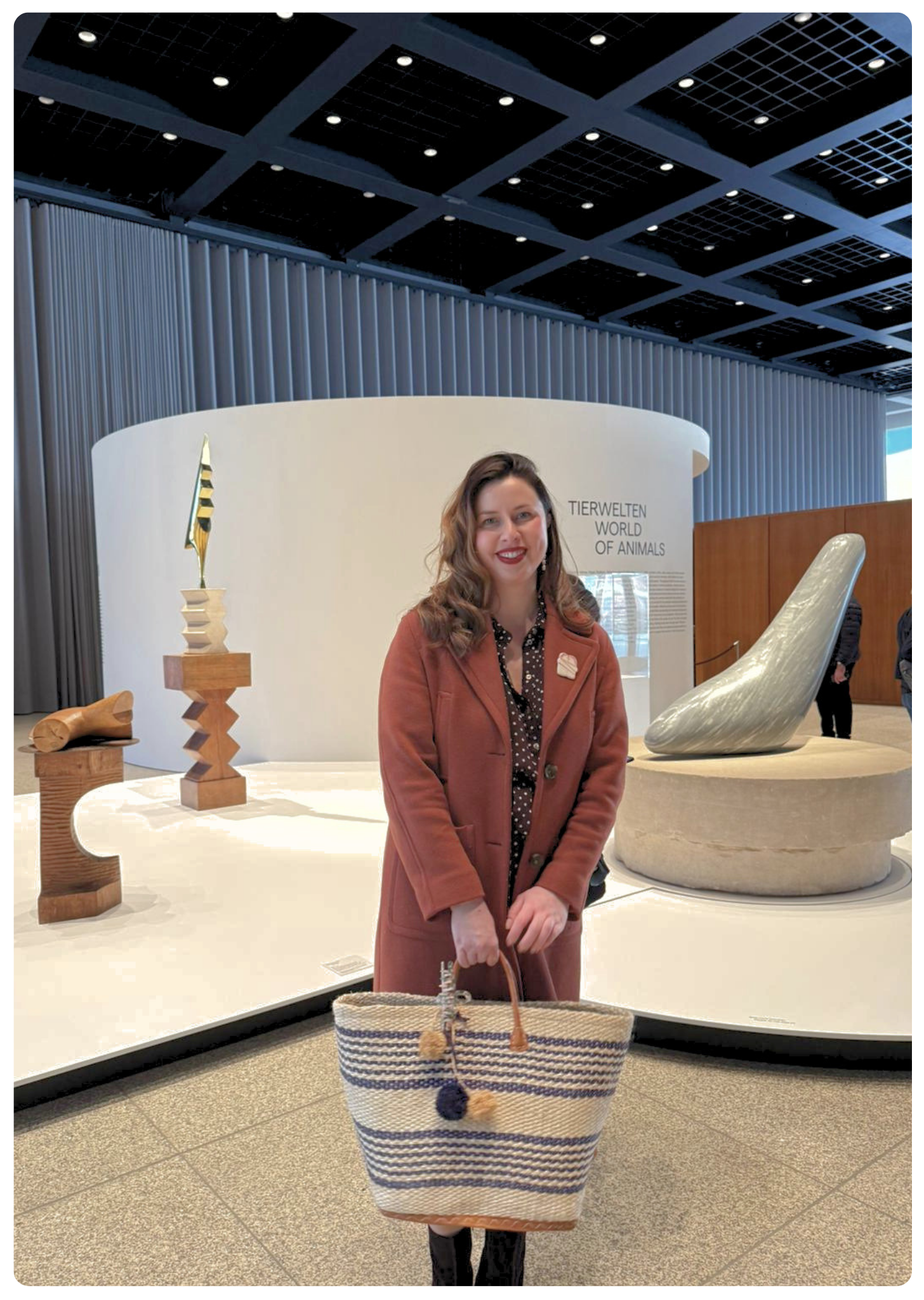
Seeing his work at the Neue Nationalgalerie felt deeply personal. I experienced a mix of emotions. Joy, familiarity, pride, curiosity. And yes, a quiet satisfaction in recognizing details, sometimes even more than the guide leading the tour 🙂

I found myself drawn not only to the sculptures, but also to the archival materials. I have a strange fascination with old documents, especially calligraphy. Seeing his diplomas and papers – some under the aegis of King Carol I, others under King Mihai I – was a reminder of a Romania that no longer exists, but still echoes through his story.

The exhibition itself is beautifully curated: balanced, thoughtful, and immersive without being overwhelming.

If you are in Berlin, the Brâncuși exhibition at Neue Nationalgalerie runs until August 2026. And as for me, I’m leaving this wish here, quietly, like a letter to the universe:
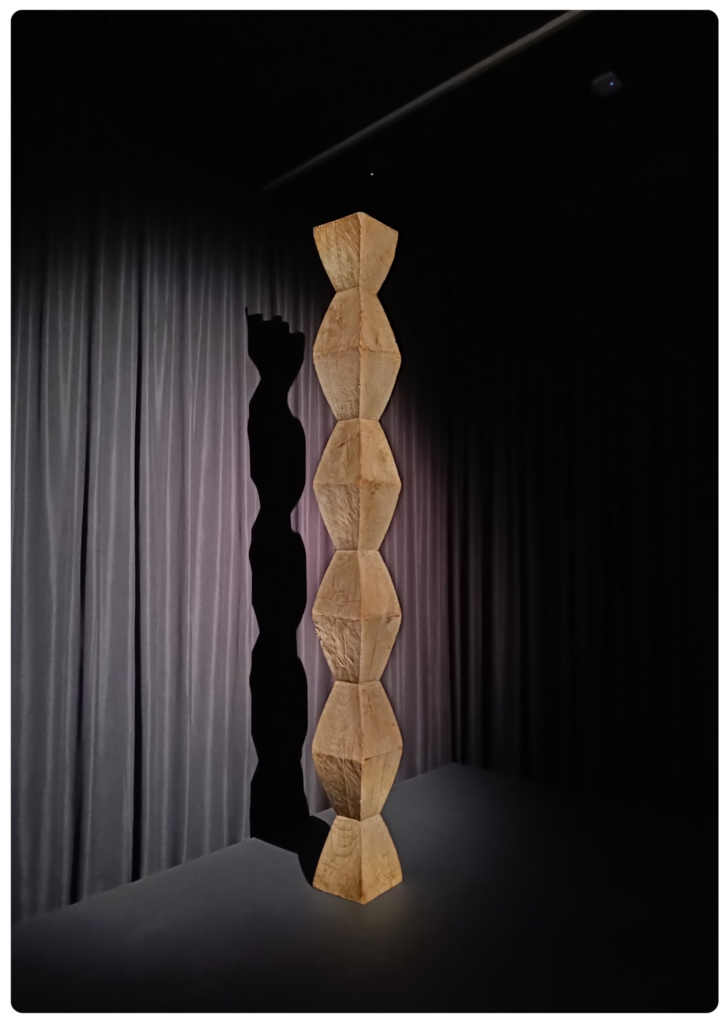
to one day stand in front of Coloana Infinitului and Poarta Sărutului.

And maybe, if the timing is right, to experience them in the way I imagine: with meaning, with connection, with a certain kind of serendipity.
Leave a Reply

Your email address will not be published. Required fields are marked *